

The story of Portuguese Wine
Three thousand years of wine history, shaped by Phoenicians, Romans, monks, and merchants — Portugal's story is one of the most extraordinary in the wine world.
Ancient Roots: The First Vines in Iberia
Around the 10th century BC, Phoenician traders brought the first vine cuttings to the land that would become Portugal. These seafaring merchants planted the seeds — literally — of a winemaking tradition that would endure for three millennia. The Greeks followed in the 7th century BC, bringing their own expertise in viticulture, and then the Celts, who contributed grape varieties of their own and, crucially, the art of cooperage: the ability to make wooden barrels that would transform both winemaking and the transport of wine across the ancient world.
The Romans arrived in the last two centuries BC and added their considerable expertise in pruning techniques and vine management. They also provided a powerful incentive: demand from Rome itself. The export of wine from Lusîtania — the Roman name for the Iberian peninsula west of the river Guadiana — boomed. Long before Portugal existed as a nation, its landscape was already producing wine for the tables of the empire.
Faith, Trade, and the Age of Discoveries
After the fall of Rome, the story of Portuguese wine is one of survival through upheaval. Christianity kept the vine alive: wine was required for the Eucharist, and monasteries — Cistercian, Templar, and others — became the great winemaking institutions of the medieval period. When Portugal founded as a nation in 1143 under D. Afonso Henriques, religious orders expanded their vineyards and refined their methods. By the 12th and 13th centuries, wine had become the country's most important export.
Come the 15th and 16th centuries, Portuguese ships were exploring the world — and something remarkable happened on those long sea voyages. The wines they carried, stored in barrels below deck, were transformed by the heat and constant motion of the ocean crossing. This accidental discovery formed the basis of what would become Madeira wine, one of the most remarkable and long-lived wines in the world.
Port, Pombal, and the World's First Wine Appellation
By the 17th century, trade with England was reshaping Portuguese wine. The Methuen Treaty of 1703 gave Portuguese wines preferential access to the English market, and demand for Port — the fortified wine of the Douro Valley — grew rapidly. But success brought problems: the rush to export more Port led to falling quality and widespread fraud. In 1756, the Marquis of Pombal took radical action, creating the Companhia Geral da Agricultura das Vinhas do Alto Douro and officially demarcating the Douro Valley — arguably the world's first legally recognised wine appellation, more than two centuries before the modern appellation system existed.
Douro Valley — Vintage Port
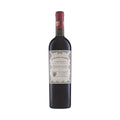
Quinta da Pedra Alta Vintage Port
From one of the Douro's finest estates — inky, concentrated, and built for the long term. The schist terraces, baking summer heat, and centuries of winemaking knowledge are all in the glass.
Crisis and Revival
The 19th century brought catastrophe in the form of phylloxera, the root-eating louse that devastated vineyards across Europe. Portugal was not spared: the pest reached the Douro in 1865 and swept through the country's vineyards over the following decades. The recovery was slow but thorough. By 1907, regions including Madeira, Dão, and Vinho Verde had received official recognition and protection — early steps towards the system of 33 Designations of Origin that defines Portuguese wine today.
Portugal Today — A World-Class Wine Nation
Few wine countries reward exploration as richly as Portugal. From the fresh, lightly sparkling wines of Vinho Verde in the cool north, to the structured reds of the Douro and Dão, to the bold, sun-baked wines of the Alentejo and the extraordinary fortified treasures of Port and Madeira — the range is extraordinary. And uniquely for a nation of this size, Portugal has preserved a remarkable collection of indigenous grape varieties found nowhere else in the world.
The next time you open a bottle of Portuguese wine, you are not just drinking something delicious. You are sipping three thousand years of history — shaped by traders, monks, merchants, and winemakers who made it all possible.