

Grenache: A Grape of Many Faces
Warmth, generosity, and remarkable adaptability — Grenache is one of the great grape varieties of the wine world, producing wines from delicate rosé to brooding reds across the Mediterranean and beyond.
Few grape varieties travel as far or adapt as gracefully as Grenache. From the sun-baked hills of Aragón in northern Spain to the granite slopes of the southern Rhône and the old vines of Australia's Barossa Valley, Grenache produces wines of remarkable range — sometimes soft and fruit-driven, sometimes structured and complex, always generous. Understanding Grenache means understanding a large part of Mediterranean wine culture.
A Global Traveller with Many Names
Grenache is believed to have originated in Aragón, northern Spain, where it is still celebrated as Garnacha. From there it spread across the Mediterranean during the reign of the Crown of Aragon in the Middle Ages, taking root in southern France as Grenache Noir, in Sardinia as Cannonau, and eventually across the New World. Today it is one of the world's most widely planted red grape varieties — an extraordinary reach for a single cultivar.
Spain — Garnacha
In Spain, Garnacha finds some of its most exciting expressions in the rugged terroir of Priorat and in the high-altitude vineyards of Campo de Borja and Calatayud. Old vine Garnacha — from plants that may be sixty, eighty, or more than a hundred years old — produces wines of remarkable concentration and depth. The thin-skinned berries pack in flavour from years of struggle in poor, stony soils.
Old vine intensity — Priorat
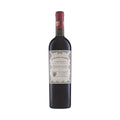
1270 A Vuit Priorat DOQ Organic
Organically farmed old-vine Grenache from one of Spain's most dramatic wine landscapes — steep slate terraces and extreme diurnal temperature shifts producing wines of real concentration. Dark fruit, mineral intensity, and a long, savoury finish.
The Southern Rhône — the heartland of French Grenache
In the southern Rhône, Grenache is indispensable — the backbone of Châteauneuf-du-Pape, Gigondas, Vacqueyras, and the vast Côtes du Rhône appellation. Here it is typically blended with Syrah and Mourvèdre in the classic GSM combination, each variety contributing what the others lack: Grenache brings warmth and ripe fruit, Syrah adds structure and pepper, Mourvèdre contributes earthy depth and aromatic complexity.
The southern Rhône — biodynamic estate
M. Chapoutier Vacqueyras Avarum 2022
Grenache-led, from one of the Rhône's most respected biodynamic producers — full and warm, with black cherry, garrigue, and a distinctive southern Rhône spice. An authoritative expression of what Grenache achieves in its heartland.
Everyday southern Rhône
Côtes du Rhône Commandeur St. Michel
A generous, fruit-forward Grenache blend from the Rhône — ripe red berries, herbs, and a warm, easy-drinking style that makes it one of the most reliable everyday reds in the cellar.
Grenache for Rosé
Grenache's thin skin and delicate tannins make it one of the finest grapes for rosé. In Provence, it is the dominant variety behind the pale, dry rosés that have become a global phenomenon — wines of precision, freshness, and a delicate summer fruitiness. In Navarra and elsewhere in Spain, Garnacha rosé has its own long tradition: typically slightly deeper in colour, with more body and aromatic expression than a typical Provençal style.
Garnacha rosé from Spain
Fresh, aromatic, and refreshingly direct — wild strawberry and peach with a clean, bright finish. An everyday Garnacha rosé with real character and excellent versatility at the table.
The Character of Grenache
Grenache typically produces wines that are medium-to-full-bodied, with relatively low natural acidity and gentle tannins. Its high sugar content in warm climates leads naturally to elevated alcohol — Châteauneuf-du-Pape is often the most alcoholic of all French appellations. Flavours lean towards ripe red berries — strawberry, raspberry, cherry — with spice, dried herbs, and in the most powerful expressions, hints of liquorice, leather, and dried fruit.
That generosity and warmth, combined with relatively modest tannin, makes Grenache deeply food-friendly. It sits comfortably alongside everything from a simple chicken roast to a slow-braised lamb shoulder or a generous cheeseboard — a wine that rarely disagrees with the plate in front of it.
International Grenache Day
Each year on the third Friday of September, Grenache lovers around the world raise a glass to mark International Grenache Day — a celebration of the grape's diversity, heritage, and the remarkable range of wines it produces. It is an excellent excuse to explore a style you may not have tried before: a single-varietal Garnacha from Aragón, a brooding Cannonau from Sardinia, or a delicate Grenache-based rosé from Provence.