

A Celebration of this Historic Italian Wine! - Friday 5th September National Chianti Day
On National Chianti Day, we raise a glass to Tuscany's most famous wine — its ancient roots, the Sangiovese grape that defines it, and the rolling hills that have shaped it for thousands of years.
There are wines that define a place, and then there is Chianti — a wine that is a place. When you think of rolling Tuscan hills, of summer evenings at a trattoria, of long lunches with pasta and conversation, Chianti is almost certainly the wine in your glass. Its story runs deeper than most: back through the Renaissance and the Medici, through the Etruscans who first planted these hills, to a time before recorded history when someone on a Tuscan hillside first decided to cultivate a vine.
Ancient Roots
Around 900 BC, an ancient people known as the Etruscans were farming the hills of Tuscany with remarkable sophistication. They carved terraces into the landscape, selected the best soils, and traded their wine as far as France and across the Mediterranean. When the Romans arrived and incorporated Etruria into the Republic, they inherited both the vineyards and the knowledge that came with them.
By the 14th century, the name Chianti was already being used to describe wines from this particular part of Tuscany. In 1716, the Grand Duke Cosimo III de' Medici took the landmark step of officially demarcating the Chianti region — one of the world's first legally recognised wine zones, conceived two centuries before modern appellation systems existed.
The Soul of Chianti — Sangiovese
At the heart of every Chianti is Sangiovese — Tuscany's greatest grape variety and one of Italy's most widely planted. The name is thought to derive from the Latin sanguis Jovis: the blood of Jupiter. Whether or not you believe in the divine connection, Sangiovese has a character that is entirely its own: bright red-cherry acidity, earthy depth, a savoury edge, and firm tannins that make it one of the great food wines in the world.
Chianti must contain at least 70% Sangiovese by law. The best — particularly Chianti Classico, produced in the historic heartland between Florence and Siena — is typically 100% Sangiovese, expressing the grape with extraordinary purity.
Understanding the Classifications
Chianti DOCG
The base Chianti DOCG appellation covers a wide area and produces wines that range from straightforward everyday drinking to genuinely serious bottles. At its best, Chianti offers the classic Sangiovese character — cherry, dried herbs, and a pleasingly savoury finish — at an accessible price that makes it one of the best-value reds in the world.
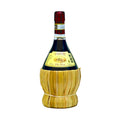
Everyday Chianti
A reliable, food-friendly Chianti with hallmark Sangiovese character — bright cherry fruit, dried herbs, and lively acidity. The kind of bottle that works as well at a dinner party as at a weekday supper with pasta.
Chianti Classico DOCG
Chianti Classico is produced in the original historic zone — a narrower area of rolling hills between Florence and Siena where the oldest and best vineyards are concentrated. The Classico designation signals greater complexity and character; the wine must spend longer in oak and bottle before release. At the top of the hierarchy sits the Gran Selezione: a single-vineyard or estate selection aged for a minimum of thirty months.
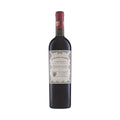
Chianti Classico
From the historic Classico zone between Florence and Siena — structured, savoury, and unmistakably Tuscan. Cherry, dried herb, and a firm tannic backbone that makes it outstanding alongside pasta, grilled meats, and aged cheeses.
Chianti Riserva
Riserva wines are aged for a minimum of 24 months before release — longer for Classico — and typically show greater depth, complexity, and structure. These are the bottles to open for a special occasion, or to lay down for a few years before drinking.
For the cellar
Classic Sangiovese from Tuscany — sour cherry, dried herbs, firm acidity, and a savoury depth made for the table. Extended ageing has built real complexity; this is a Chianti that rewards patience and pairs beautifully with anything from bistecca to a chestnut Wellington.
Pairing Chianti
Chianti's bright acidity and firm tannins make it one of the most food-friendly red wines in existence. The acidity cuts through rich sauces; the tannins bind with protein in red meat and soften as they go. The classic Florentine pairing is bistecca alla Fiorentina — a thick-cut T-bone grilled over wood — but Chianti works equally well with pasta al ragù, roasted chicken, mushroom dishes, aged cheeses, and anything with a tomato-based sauce. It is a wine that almost always agrees with the plate in front of it.
On National Chianti Day, the simplest pairing is the most appropriate: a glass of good Chianti, a piece of Italian cheese, and the reminder that some wines are timeless for very good reasons.