

Orange Wine: Ancient Style, Modern Buzz
Made like a red but using white grapes, orange wine is an ancient tradition reborn for modern palates. Complex, textural, and wonderfully food-friendly — here is everything you need to know.
Every year on 6th October, wine lovers around the world raise a glass to celebrate International Orange Wine Day. But orange wine — despite its name — has nothing to do with the fruit. It is made with white grapes, produced using a technique that has existed for six thousand years and was only recently rediscovered by a new generation of adventurous winemakers.
What Makes Wine Orange?
In conventional white winemaking, the grapes are pressed immediately after harvest and only the clear juice is fermented, discarding the skins. Orange wine takes the opposite approach: the juice stays in contact with the skins for anywhere from a few days to several months. This extended maceration extracts colour — the golden and amber hues of ripened white grape skins — along with tannins, texture, and an extraordinary range of flavour compounds.
The result sits in its own category: not white, not red, not rosé, but something altogether older and more complex than all three.
Where It All Began
Georgia — the cradle of orange wine
Evidence of skin-contact winemaking in the Republic of Georgia dates back to at least 6,000 BC. The traditional vessel for this process is the qvevri — a large terracotta amphora buried underground, where the wine ferments and matures at a naturally stable temperature. The grape skins, seeds, and stems are pressed into the qvevri with the juice, and the wine is sealed for months before drinking. This method, virtually unchanged for millennia, produces wines of remarkable complexity.
A taste of Georgian tradition
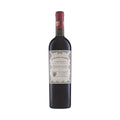
Dugladze Kakhuri Qvevri Orange Wine
Fermented and aged in traditional buried qvevri vessels — the same method used in Georgia for over 8,000 years. Amber in colour, with dried apricot, honey, walnut, and a pleasingly tannic grip. A genuine expression of one of the world's oldest wine cultures.
The revival in Europe
Orange wine largely disappeared from Western Europe during the industrialisation of winemaking in the 20th century. Its rediscovery came in the 1990s, when Slovenian winemaker Stanko Radikon and Friulian producer Josko Gravner independently began making wine using extended skin contact and minimal intervention. Their wines attracted fierce debate — and enormous curiosity. Within a decade, winemakers across Italy, France, and Spain were experimenting with the technique.
How Orange Wine Tastes
Classic tasting notes include dried apricot, orange peel, honey, hazelnut, chamomile, and a distinctive tannic texture that most white wines entirely lack. The colour ranges from pale gold to deep amber — the longer the skin contact, the deeper the hue. Depending on the grape variety and region, flavours can lean towards zesty citrus and stone fruit, or move into richer territory with spice, herbs, and earthy savouriness.
That tannic structure makes orange wine one of the most food-friendly styles in existence. It bridges the gap between white and red — firm enough for substantial dishes, fresh enough for complex flavours.
What to Eat with Orange Wine
The textural richness and savoury edge of orange wine make it a natural partner for dishes that would overwhelm a delicate white. Think roasted root vegetables, aged hard cheeses, mushroom dishes, mezze and Middle Eastern spiced food, cured meats, fermented flavours like kimchi or miso, and anything involving roasted or barbecued aubergine. It is the wine most likely to surprise you with how well it works.
A French interpretation
A beautifully made skin-contact wine from the south of France — floral and aromatic on the nose, with stone fruit, spice, and a gentle tannic texture. An ideal introduction to the style for anyone curious about orange wine for the first time.
Why Orange Wine Now?
Orange wine's rise in popularity is no accident. Adventurous wine drinkers are increasingly drawn to styles that sit outside the familiar white-red-rosé spectrum. Many orange wines come from low-intervention producers working sustainably, making them a natural fit with the growing interest in organic and natural wine. And their extraordinary food-pairing range makes them genuinely useful — not just interesting.
A gentle introduction
Odessos Dimyat Gentle Skin Contact
Made from the ancient Dimyat grape of Bulgaria with a short skin-contact maceration — a softer, more approachable entry point into orange wine. Fresh fruit and a subtle textural character without the full tannin weight of longer macerations.