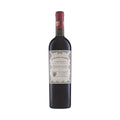
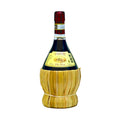


Italy's winemaking history stretches back millennia, and its diversity is unmatched anywhere in the world. Over 350 native grape varieties, twenty distinct regions, and a culture of wine as deeply woven into daily life as food itself. Here is your guide to the most important regions and wines.
Tuscany: The Heart of Italian Wine
When most people think of Italian wine, Tuscany comes to mind first. The region's flagship grape is Sangiovese, which forms the backbone of Chianti, a wine of lively acidity, firm tannins, and vibrant cherry and herb flavours that pairs naturally with hearty pasta and grilled meats. At the top of the quality pyramid sits Chianti Classico Riserva, aged for longer and drawn from the historic heartland between Florence and Siena.
Tuscany is also home to Brunello di Montalcino, made from a Sangiovese clone called Brunello and considered one of Italy's great red wines: bold, structured, and capable of ageing for decades. Then there are the Super Tuscans, wines that broke with tradition in the 1970s and 1980s by blending Sangiovese with international varieties such as Cabernet Sauvignon and Merlot to produce rich, powerful wines outside the existing classification system.
Piedmont: Italy's Most Prestigious Wines
In the northwest corner of Italy, Piedmont produces wines of extraordinary character from the Nebbiolo grape. Barolo, known as "the king of wines and the wine of kings", is bold, tannic, and complex, with aromas of rose petals, tar, and leather that evolve magnificently over many years in the bottle. Barbaresco is its more elegant sibling: still powerful, still Nebbiolo, but slightly lighter and more approachable. For everyday drinking, Piedmont offers Barbera and Dolcetto, fruit-forward and generous, without the grand price tag.
Veneto: Versatility in the Northeast
The Veneto is one of Italy's most prolific wine regions, producing everything from the delicate bubbles of Prosecco to the intensely concentrated Amarone della Valpolicella. Amarone is made by drying harvested grapes for several months before pressing, concentrating the sugars and flavours to produce a wine of extraordinary richness and depth. Soave, the region's famous white, offers crisp mineral freshness from the Garganega grape, a natural partner for seafood and light pasta dishes.
Sicily: Ancient Grapes, Modern Wines
Sicily is one of Europe's oldest wine-producing regions, and over the past few decades it has undergone a remarkable transformation in quality. The volcanic soils of Mount Etna produce wines of unusual mineral character from native varieties such as Nerello Mascalese, lighter-bodied than most southern Italian reds but deeply complex. The Nero d'Avola grape produces rich, full-bodied reds well suited to the island's sunny climate, while the white Grillo and Catarratto varieties offer fresh, aromatic alternatives.
Puglia and the South: Value and Character
The heel of Italy's boot produces some of the country's most characterful and affordable wines. Primitivo, the same grape as California's Zinfandel, produces rich, jammy reds with high alcohol and intense fruit. Negroamaro, the backbone of wines such as Salice Salentino, offers a slightly more savoury, earthy character. Both reward those willing to look beyond the more famous northern regions.
Mixed Case, Italy
A curated journey through Italy's most celebrated wine regions. Six bottles selected to showcase the country's extraordinary breadth, from the Veneto to Sicily, from vibrant whites to structured reds. A perfect introduction to Italian wine, or a treat for someone who already loves it.
Order now →