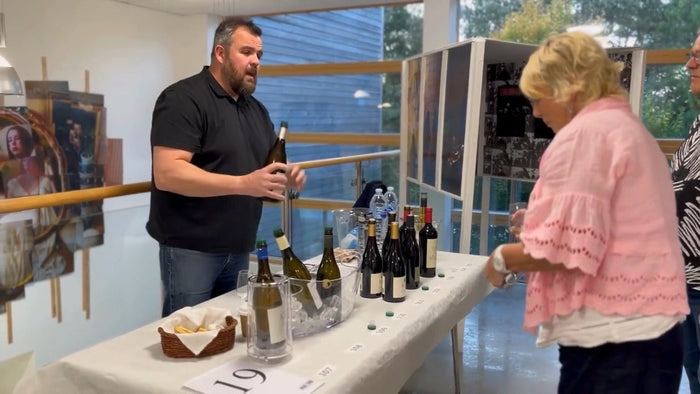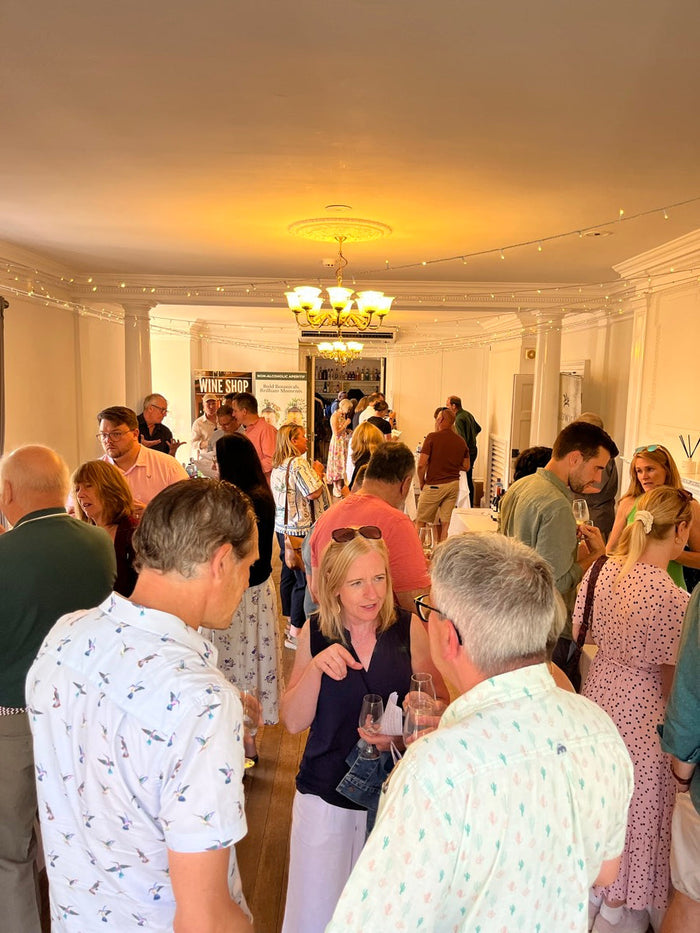
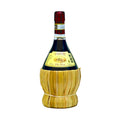


Wine is a fascinating product with a long and mysterious history. We spent two sessions exploring it, from a Georgian clay jar buried underground 8,000 years ago to a Californian Zinfandel, with 12 wines tasted along the way.
Where Did Wine Begin?
These were just some of the questions we explored during our two-part wine tasting course, aptly titled 'A Brief History of Wine'. It was important to first understand that we don't actually know where the first ever wine was made, or how it was discovered, it was most likely an accident. However, we can look at the oldest archaeological evidence discovered for wine production: in the foothills of the Caucasus on what is now Georgia, around 8,000 years ago.
The wine was made in a clay jar called a Kvevri, which was buried underground for fermentation. This traditional style of winemaking is still practised in Georgia today, and tasting a modern example of a Kvevri wine was one of the most striking moments of the evening, something genuinely ancient and alive at the same time.

From the Ancient World to the Modern Glass
From Georgia, we continued our journey through the history of wine: how it became revered in Ancient Egypt, then in Ancient Greece with the creation of the Wine God Dionysus (Bacchus), and then in Roman Italy before vines and wine were transported rapidly across Europe with the expansion of the Roman Empire. The Romans were extraordinary disseminators, wherever they went, viticulture followed.
Moving into modern history, we explored the role of the Cistercian Monks in developing some of the world's finest vineyards in Burgundy and Germany, the explosive development of new wine styles in medieval times, Port, Sherry, and Claret among them, and the introduction of vines in countries we now refer to as the New World.
Tasting Through the Ages
Throughout the two sessions, we tasted 12 wines paired with the specific region or milestone we were learning about. We started with that traditionally made Georgian Kvevri wine and finished with a classic Californian Zinfandel. The pairings helped set the tone and created a genuinely immersive experience.
We also experimented by tasting wines with some historical 'additives' such as herbs, honey, and cinnamon, and the most shocking of all: salty sea water. Ancient winemakers had very different ideas about what wine should taste like, and experiencing those additions made history tangible in a way that no amount of reading could.

A Special Guest
Finally, we were lucky enough to be given a short talk by one of our guests, Steve, who shared his collection of vintage corkscrews and gave us a history of how the bottle and corkscrew developed alongside the wine trade. It was a fascinating addition, a reminder that the story of wine is also a story of craft, ingenuity, and the human desire to preserve something good.
We'll likely be running this course again in the near future, so watch this space if it would be of interest. We'd love to see you there, or at another tasting event.