

A day at Cheddar Ales in Somerset, watching Jem and John turn barley, hops and carefully selected yeasts into something genuinely wonderful.
Having no idea how beer was made, Jem and John at Cheddar Ales kindly let me hang around for a day to find out. I arrived to find Jem packing the van ready for Mike to take out all the deliveries.
First stop after that was a cup of tea, well received at 8am on a cold February morning. Cheddar Ales make a range of beers from light hoppy ales to the dark Totty Pot. My favourite is Potholer, but today we're making Gorge Best.
The Mash

The first part of the process is the Mash, where barley and malt meet hot water. The idea is to allow the starch to break down into sugar for fermentation at a later stage. There are two types of sugar and they react at different temperatures, a good working temperature for both is 65°C. It takes an hour, after which you're left with a very sweet liquid called wort. The taste was malty and sweet, and to my surprise too much for even my sweet tooth, just a small sip gave me a natural kick.

The liquid then transfers to the copper, technically stainless steel for temperature control and hygiene, but it keeps the name from when copper tanks were used. Also called a kettle.
The Hops

The next stage is where particular hops create the beer's character. Each style has its own recipe, personal to the brewer. Three different hop blends go into the wort at different stages to impart different flavours. The liquid must reach boiling point before the first batch of hops is added.
Fermentation and Bottling

Once the hops are blended in, the wort transfers to a fermentation tank. Specially selected yeasts are mixed in, turning the sugar to alcohol over about 48 hours. Watching Jem and John at their work shows the dedication and passion they bring to ensure the product reaches you in perfect condition.
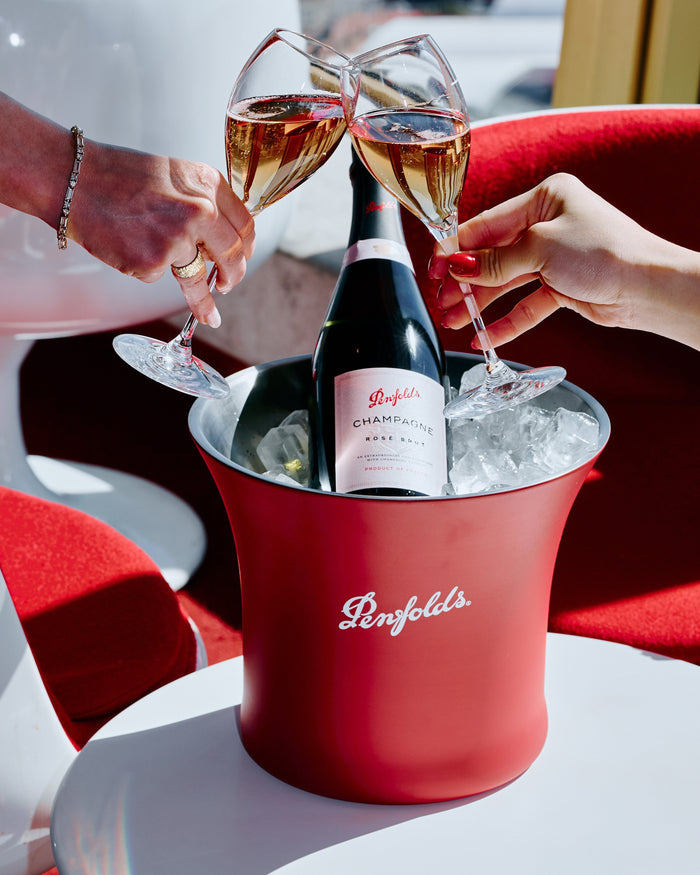
Cheddar Ales use bottle-conditioned bottling: rather than artificially injecting CO₂, they allow a second fermentation within the bottle, similar to how Champagne is made. This gives smaller, more delicate bubbles and a character closer to cask beer.