

Step three in learning to taste wine, where drinking and tasting diverge, and where practice makes all the difference.
Drinking vs. Tasting
Drinking is natural. Tasting is a skill, and as with anything, practice makes perfect.
First, consider where on the tongue we detect different elements. At the back in the middle: bitterness. Along the sides towards the back: acidity. At the tip: sweetness. And tannin is detected around the gums.
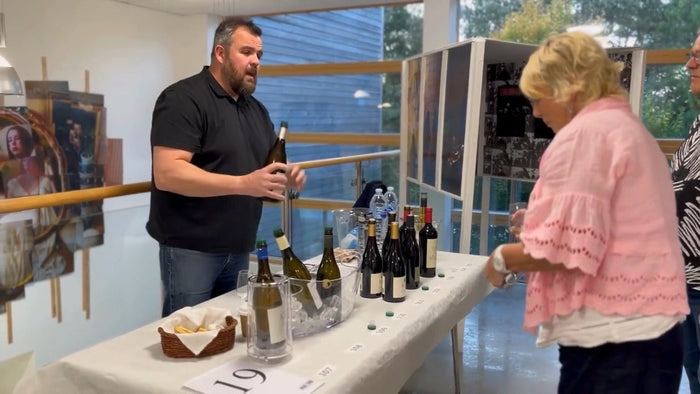
Wine tasting can be seen as pompous and stuffy, but when it comes to the actual mechanics, it isn't the most attractive of occupations, lots of slurping and spitting.
How to Taste
Take a generous mouthful of wine and sense how it feels in your mouth. Where does it hit the tongue first? Allow it to move around so it touches all the taste buds. When you feel confident, purse your lips and draw a little air in, this allows the air to circulate and opens up the wine's flavours. Once you've swallowed or spat, notice how much saliva comes back. This is a useful indication of acidity.
What you're looking for is balance across all components: fruit, acidity, alcohol and tannin must all integrate together. A classic dessert wine, for example, you want luscious sweetness, but you need the acidity to keep it fresh. Without it, the wine can taste flat, syrupy and unbalanced.
Tasting is not over yet, we have Step 4 to come.