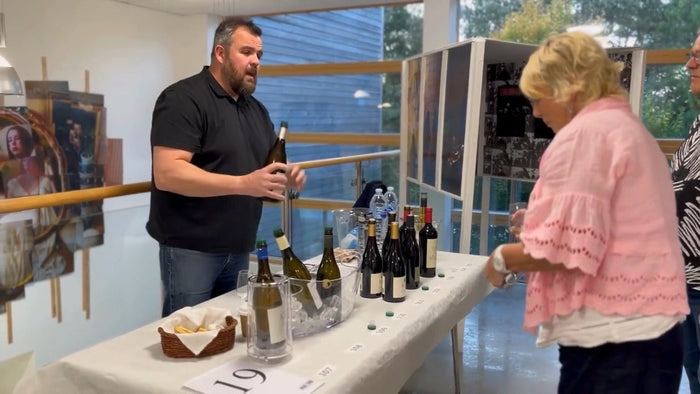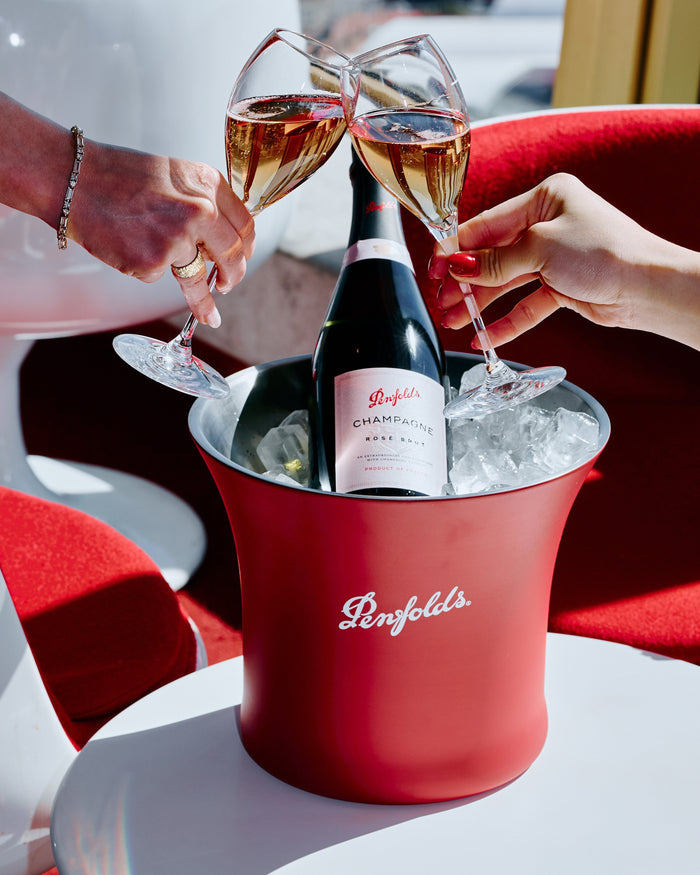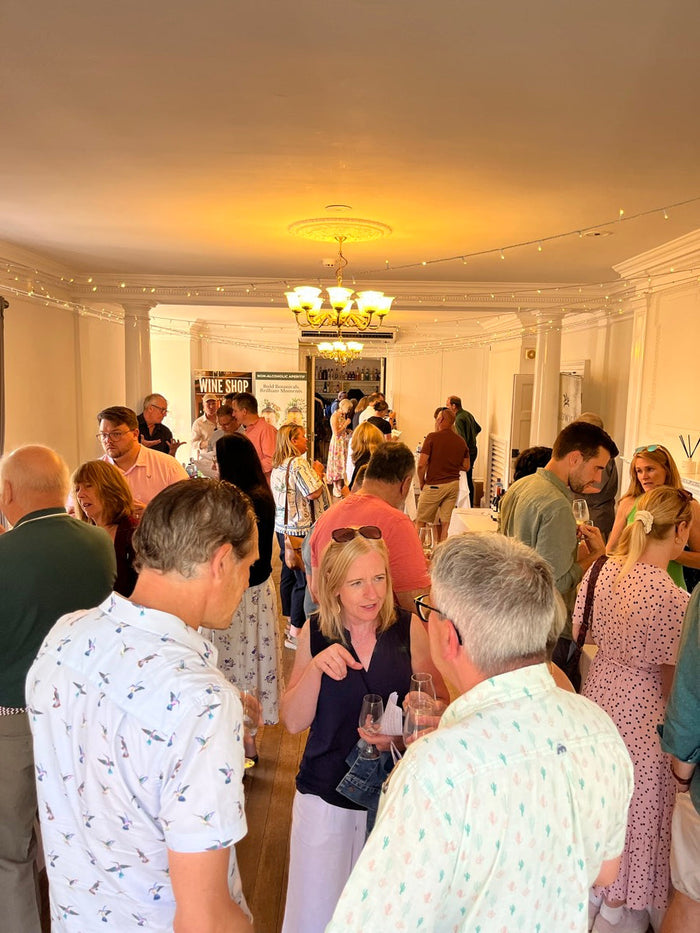


Seven wines. One evening. From a Provence rosé beloved by the world to a thunderous Priorat that nobody could stop talking about, our Fine Wine Tasting was everything that evening deserved to be.
What Is Fine Wine, Exactly?
Before we opened the first bottle, we found ourselves discussing the question that hangs over every fine wine tasting: what actually makes a wine 'fine'? The term is easier to feel than to define. But there are markers. Fine wine tends to be impeccably balanced, no single element dominating, everything in harmony. It has complexity: layers of flavour and aroma that reveal themselves gradually, often the result of considered decisions by the winemaker at every stage of production. It has length, the quality of lingering on the palate long after the glass is set down. And it has intensity, the kind of concentrated flavour that makes a wine worth returning to.
Most fine wines are also capable of ageing. The same qualities that make them exceptional young, structure, acidity, tannin, concentration, allow them to evolve and reward patience over years or decades. With that framework in mind, we opened seven bottles.
The Whites and Rosé
Provence, France
Rock Angel, Château d'Esclans
The opening wine set the tone. Château d'Esclans is arguably the estate most responsible for repositioning Provence rosé as a fine wine category, and Rock Angel sits above their celebrated Whispering Angel with more depth, texture, and gravitas. Salmon pink, precisely dry, with stone fruit and a mineral precision that surprised everyone.
Stellenbosch, South Africa
Hartenberg The Eleanor Chardonnay
Hartenberg is one of the Cape's most storied estates, and The Eleanor is their flagship Chardonnay, a wine with real presence. Rich but not heavy, with toasty oak, white peach, and the kind of creamy texture that comes from careful winemaking rather than excess. A wine that prompted a genuine conversation about the quality of South African white wine.
Sancerre, Loire Valley
Joseph Mellot, La Grande Châtelaine
The most classical wine of the evening. Sancerre from a great producer is one of the wine world's most reliable pleasures, flinty, focused, pure Sauvignon Blanc with a mineral backbone that speaks directly of the chalk and flint soils beneath the vineyards. La Grande Châtelaine is Mellot's prestige cuvée, and it showed why Sancerre commands such respect.
The Reds
Beaune, Burgundy
Louis Jadot Celebration Beaune Premier Cru
Made only in years when the grapes are of exceptional quality, which tells you something about the standards Louis Jadot sets for themselves. Elegant, silky, and profoundly Pinot Noir: red cherry, sous-bois, and a refined structure that lingered beautifully. A textbook example of why Burgundy commands the prices and devotion it does.
Napa Valley, California
Clos du Val Cabernet Sauvignon
Clos du Val is one of Napa's most respected estates, founded in 1972 with a distinctly European sensibility. Their Cabernet is award-winning for good reason: full-bodied and concentrated, with cassis, cedar, and dark chocolate, yet with the kind of restraint that separates serious Napa from the overblown. Paired beautifully with strong opinions around the table.
Valpolicella, Veneto
Familia Pasqua Amarone della Valpolicella
Amarone is one of Italy's most theatrical wines, made from grapes dried for months on straw mats before fermentation, concentrating everything. Pasqua's version is sumptuous and rich, with dried fig, dark cherry, and a warmth that fills the room. Fruity and sumptuous was how we described it on the night, and neither word was wrong.
Priorat, Spain
1270 a Vuit Priorat
The showstopper. Priorat, one of only two Spanish DOCa/DOQ appellations, produces wines of extraordinary concentration from old Garnacha and Cariñena vines grown in the region's distinctive slate and quartz soils. The 1270 a Vuit was a powerhouse: dark, mineral, intense, with the kind of complexity that had everyone reaching for their glasses long after it was finished.