

The vineyard cycle continues at Oatley, tying down the canes, tasting the first barrel-aged Madeleine Angevine vintage, and discovering that a simple plastic clip can humble even the keenest student.
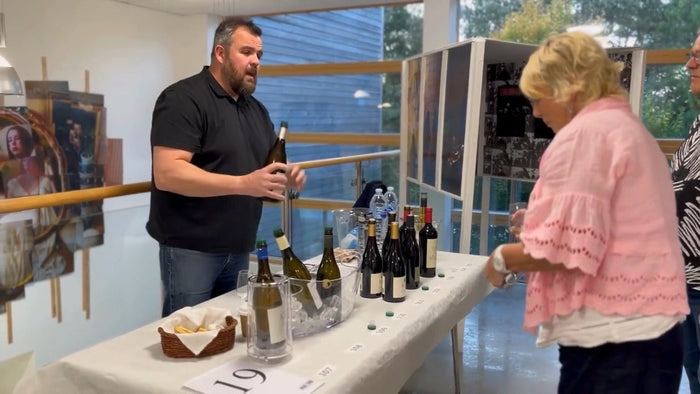
Of course the sun is out as I approach Oatley. I'm greeted by Jane, who shows me the new 2010 wine that arrived, really great to see, having been part of the process of picking the grapes along with many other volunteers, including my nieces and Matthew.
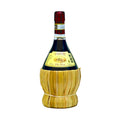
A smaller cage sat alongside the bottles of Madeleine Angevine and Kernling, and that was the wine maturing in the new oak barrel. The wine chosen for barrel maturation was the Madeleine Angevine. Jane had tasted it and said: "subtle vanilla from the toasted oak, adds mid-palate and finish but without swamping." I'm looking forward to purchasing a bottle or two.
Tying Down the Canes
The next job in the vineyard was tying down the canes we pruned in previous weeks. You have to wait for the sap to rise to make the canes flexible enough for this.

Iain showed me what to do, how you carefully ease the cane down and place it around the lower wire. Not all canes hold naturally, so we use small plastic grips. Something so easy gave me so much trouble. I had to have a lesson from Iain on the plastic clip alone. Not one of my finer moments.
Row K5

The row I'm looking after is K5. The first vine went well, a sigh of relief. On the second, there was a snap: off came a cane. It makes you feel sick knowing you've just halved that vine's potential for producing grapes. I won't make that mistake again. You have to account for the next vine as well as the one you're working on, to ensure the vines flow all the way down the row.
It's important at Oatley that canes and buds don't overly overlap, so the grapes have space for light and air to circulate, reducing the potential for mildew. Quality is paramount, not quantity.

Having pruned and then tied down, the process makes so much more sense. You can see how one stage leads to the next, and how each is critical in its own right. Books are great, but nothing beats hands-on practice and watching the process evolve before you.
Over the past few visits I've been working on the Kernling grape, next time I'll be learning about Madeleine Angevine pruning, which needs to be left as long as possible, for reasons I'll explain.