

The recent heatwaves have been so hot that we Somerset dwellers could be forgiven for thinking we'd been transported to Andalucía. There's no better time to refresh yourself as the locals do, with a well-chilled glass of Fino or Manzanilla Sherry.
Although many people still think of Sherry as something reserved for Christmas, dry Sherry is actually one of the world's most refreshing summer wines. Crisp, savoury and wonderfully food-friendly, Fino and Manzanilla are perfect as an aperitif or alongside tapas, seafood and salty snacks.
If you've never explored this fascinating corner of the wine world, you're in for a treat.
A Personal Favourite
As The Wine Shop's resident Sherry enthusiast, I enjoy my Sherry with the seasons, Amontillado in spring, Palo Cortado in autumn and Oloroso in winter with a bowl of walnuts.
But if I could only choose one style, it would always be Fino, and its coastal cousin, Manzanilla. They're wonderfully refreshing whatever the weather, but on a warm summer evening they're hard to beat.
I have fond memories of sipping chilled Fino on a sultry evening in Seville, and of the time my friends and I confidently ordered "tres vinos" in Bilbao. Our pronunciation wasn't quite up to scratch and we ended up with three Finos instead, while the others were still haunted by memories of student Sherry parties, I happily drank all three.
What is Sherry?
Sherry is one of the world's great fortified wines, alongside Port and Madeira. During production, grape spirit is added to the wine, increasing the alcohol level and helping determine the final style.
Unlike Port, which is usually sweet, Spanish Sherry ranges from bone dry to intensely sweet. Both Fino and Manzanilla are completely dry and should always be served well chilled.
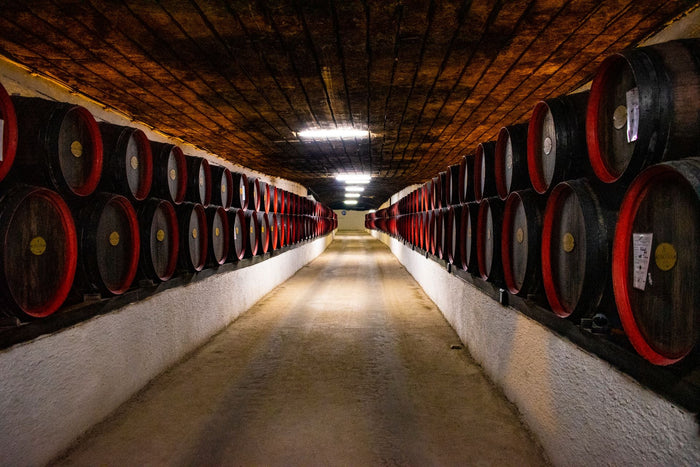
One of the fascinating things about Sherry is its ageing system. Rather than ageing as individual vintages, most Sherries mature in a solera, a fractional blending system that combines wines of different ages to maintain remarkable consistency. Every bottle contains both younger and much older wines, offering exceptional complexity and value.
What Makes Fino & Manzanilla Different?
The character of Sherry depends largely on whether a natural layer of yeast, known as flor, develops on the surface of the wine during ageing.
Biological Ageing
Both Fino and Manzanilla are biologically aged. The wine is fortified to around 15% ABV, allowing the flor to survive and protect the wine from oxidation while gradually adding its own distinctive character, fresh bread, almond, umami and a wonderful saline freshness. These wines remain pale and incredibly fresh despite their age.
Oxidative Ageing
Oloroso is fortified to around 18% ABV, which kills the flor. Without this protective layer the wine oxidises, producing rich flavours of walnuts, toasted hazelnuts, caramel and dried fruit alongside a deep amber colour.
The Best of Both Worlds
Between these styles sit Amontillado and Palo Cortado, wines that begin under flor before later ageing oxidatively, combining savoury freshness with richer nutty complexity.
Fino vs Manzanilla
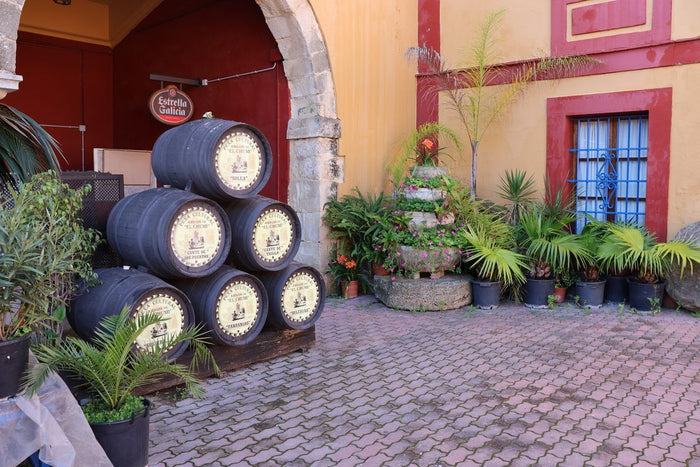
Although very similar, the two styles have some fascinating differences. Manzanilla can only be produced in the coastal town of Sanlúcar de Barrameda, one corner of Andalucía's famous "Sherry Triangle." The cooler, more humid coastal climate allows the flor to remain active year-round, making Manzanilla generally paler, lighter, more delicate, more saline and slightly higher in acidity than Fino.
Fino, produced primarily around Jerez and El Puerto de Santa María, develops a little more almond character and slightly greater richness.
Fun fact: Many tasters describe Manzanilla as showing hints of chamomile and crab apple, and manzanilla is also the Spanish word for chamomile.
Try Your Own Blind Tasting
One of the best ways to appreciate these subtle differences is a simple blind tasting. Cover the bottles and ask yourself: which tastes nuttier (usually the Fino)? Which has the strongest salty, seaside character (usually the Manzanilla)? Which makes your mouth water more (normally the Manzanilla)?
It's a brilliant way to train your palate and great fun with friends. Try them side by side with Barbadillo Fino and Barbadillo Manzanilla.
What Food Goes with Fino & Manzanilla?
One reason sommeliers love these wines is their incredible versatility. Their savoury umami character makes them exceptional with tapas, olives, Marcona almonds, Jamón Ibérico, white fish, oysters, prawns, sushi and grilled seafood. Unlike many white wines, they're also surprisingly successful alongside vinaigrette dressings and dishes featuring mushrooms.
Serve in a white wine glass, not a tiny Sherry glass, well chilled. Once opened, keep refrigerated and enjoy within one to two weeks while the fresh flavours remain at their best.
Our Recommended Sherries
If you'd like to discover these styles for yourself, we recommend two outstanding examples from one of Spain's finest producers.
Standout aperitif, £14.99
Delicate, fresh and beautifully saline. Our favourite introduction to Manzanilla and the ideal aperitif or seafood partner.
Classic dry Fino, £15.49
Fresh almond, bread dough and savoury complexity with a crisp, dry finish. A benchmark example of the style.
About Barbadillo
Founded in 1821, Barbadillo is one of the great names of Sherry. The company was the first producer to label a wine as Manzanilla and the first to bottle it commercially, helping establish the style we know today. Now run by the seventh generation of the family, they remain one of Spain's oldest independent wine businesses, with over 500 hectares of vineyards and 17 historic cellars in Sanlúcar de Barrameda, they are recognised as the world's largest producer of Manzanilla Sherry.
Explore our full Fortified Wine range →