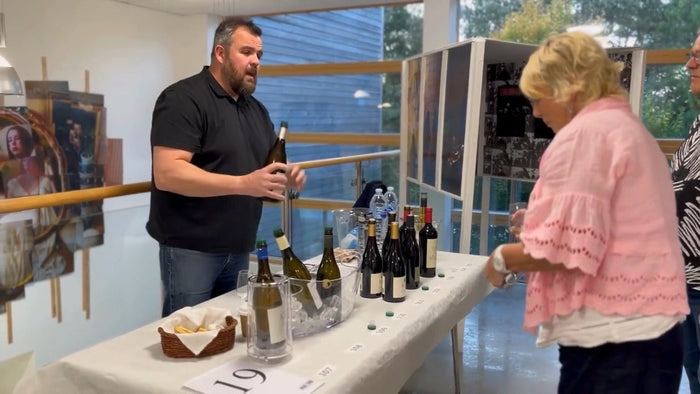


Chardonnay meets resistance like no other grape, but spend an evening tasting seven expressions from across the world, and you understand why this is really a grape worth falling in love with.
The Most Misunderstood White Grape
Chardonnay has a reputation problem. The "Anything But Chardonnay" movement of the 1990s left a mark that the grape has spent decades shaking off, and yet Chardonnay remains the world's most widely planted white variety. The truth is that most people who claim to dislike it have only encountered one version of it, usually the overblown, heavily oaked style that dominated export markets for a generation. What our recent tasting evening set out to show is that this is a grape of extraordinary range.
Chardonnay originates from the village of the same name nestled in the Mâcon region of Burgundy. Over time it made its way to Champagne, where it joined its parent grape Pinot Noir in creating the world's most famous sparkling wine. Its other, lesser-known parent is the ancient white grape Gouais Blanc. Our tasting was designed to showcase how climate, soil structure, and winemaking technique influence Chardonnay's final expression, from crisp and mineral-driven to rich and buttery.
The Wines We Tasted
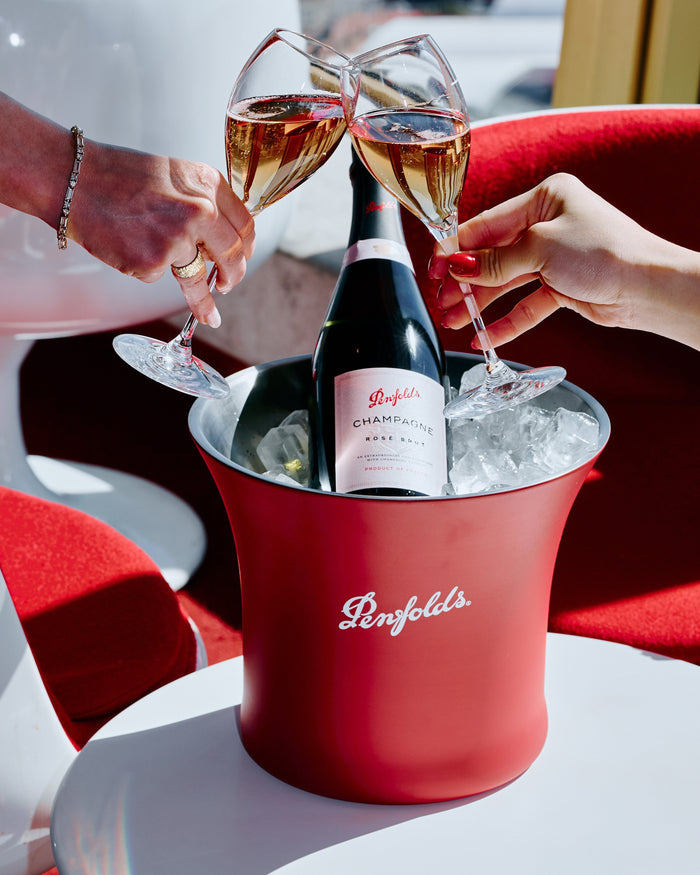
Southern France, Sparkling
We began with this elegant sparkling wine from the foothills of the Pyrénées in southern France. Made in the traditional Champagne method, it highlights Chardonnay's ability to withstand extended lees ageing, resulting in fine bubbles and delicate flavours. A beautiful introduction to the breadth of the grape.
Chablis, Burgundy
From the limestone soils of Chablis: clean, dry, and crisp, with crunchy green apple flavours and distinct notes of grilled nuts and citrus acidity. A true expression of cool-climate Chardonnay in its most unadorned form, pure terroir, zero artifice.
Mâcon-Solutré-Pouilly, Burgundy
Heading south, we encountered the combination of limestone and clay soils. This wine undergoes bâtonnage, stirring of the lees, to add texture and body. The result: plump cooked apple flavours with a creamy mouthfeel. A favourite of the evening for many.
Friuli Colli Orientali, Italy
Fondo Indizeno Friuli Chardonnay
From the cool, high-altitude vineyards of Friuli in northeast Italy, where winemaker Christian Patat crafts Chardonnay with precision. Stainless steel fermentation preserves the purity of the fruit, complemented by lees ageing for depth. An elegant wine with exotic fruit flavours and saline minerality.
Chardonnay and Oak
We then moved into Chardonnay's relationship with oak, where winemakers must carefully balance richness, complexity, and acidity to prevent the wine from tipping into something heavy and overblown.
Margaret River, Western Australia
Pedestal Chardonnay
Margaret River benefits from the cooling influence of the Indian Ocean. Handpicked grapes ferment with wild yeasts before spending a year in new and one-year-old oak barrels. The result: sweet citrus, peach, vanilla, and spice, all wrapped in a creamy texture with a clean finish.
Chile, Grand Reserva
Irene Morales Grand Reserva Chardonnay
Chile provides near-perfect conditions, sunshine, the cooling Humboldt Current, and fresh snowmelt for irrigation. Handpicked from deep clay-loam soils and crafted using bâtonnage techniques. Rich and buttery, with warm tropical fruit, vanilla, and spice from six months of oak ageing.
Robertson, South Africa
Robertson Winery's deep Karoo soils with generous lime content give the wine its intensity. Only finest first-press juice is used, then fermented and aged in barrel for eighteen months. Citrus, buttered toast, marmalade, and vanilla, with remarkable length and elegance, a stunning conclusion.